Sri Lanka Safari Guide: Yala, Udawalawe & Wilpattu by Van
The ultimate guide to exploring Sri Lanka's top three national parks by private van — itineraries, wildlife, packing list and insider tips.
RentAVanSriLanka Team · Updated:
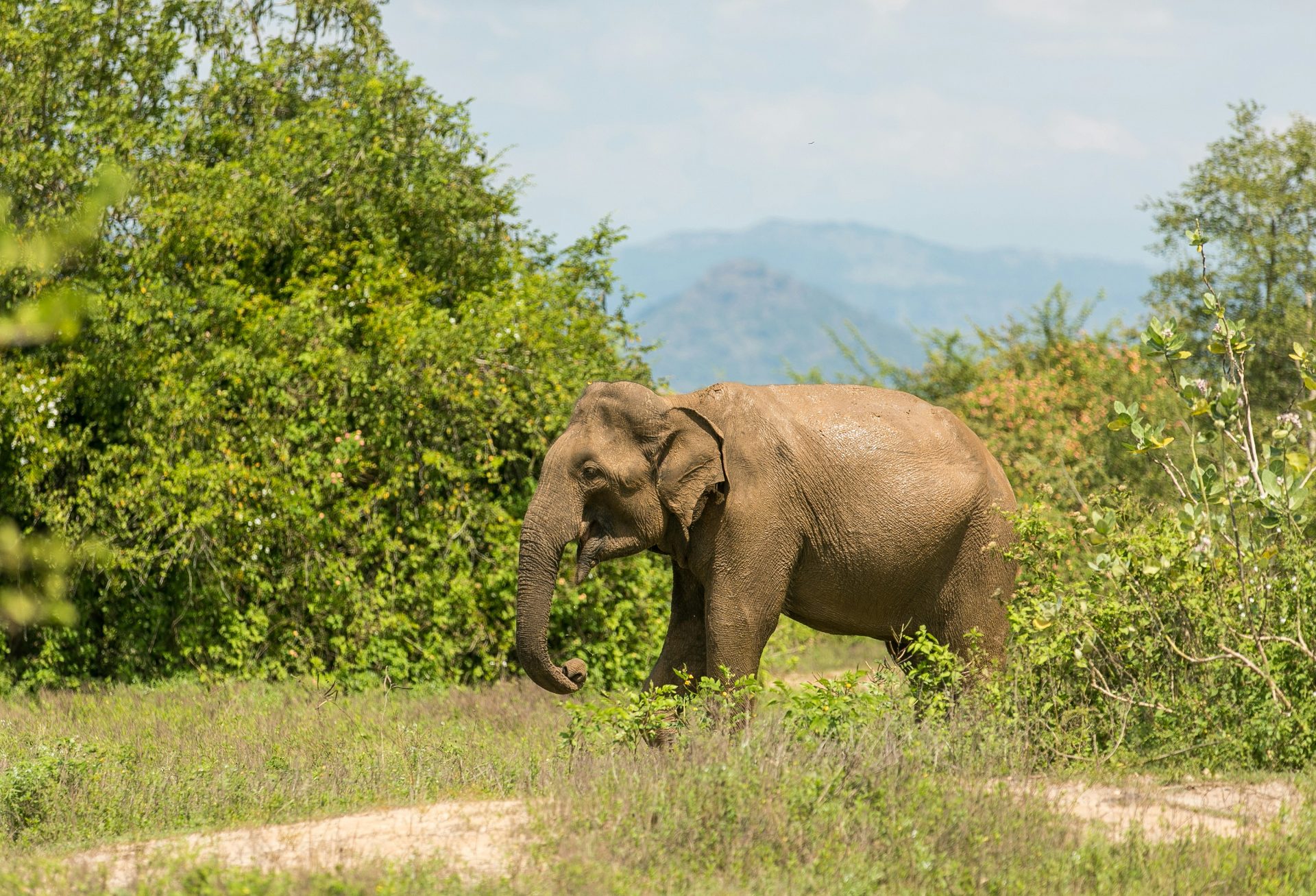
Sri Lanka is widely celebrated as one of Asia's best safari destinations. Despite its relatively small size, this tropical island boasts an incredible density of wildlife — from the elusive Sri Lankan leopard to massive herds of free-roaming Asian elephants.
Planning a multi-park safari requires logistical thinking. While public transport exists, exploring Yala, Udawalawe, and Wilpattu by private van is by far the most comfortable, flexible, and convenient way to do it.
In this comprehensive guide, we break down everything you need to know about Sri Lanka's top three national parks — the best times to visit, the wildlife you can expect, and how to seamlessly link them into a perfect itinerary by van.
Why choose a van for Sri Lankan safaris
Built for multi-park travel
Comfort on long transfers
After early morning game drives, a spacious, air-conditioned van is the perfect place to rest between parks.
Ample luggage space
Photography gear, safari clothing and standard luggage all fit easily — no compromises.
Family & group friendly
Multi-generational families and friend groups stay together in one comfortable space.
Climate control
Sri Lanka's dry-zone parks are hot and dusty. Stepping into A/C after a sweaty safari is bliss.
Total flexibility
Easy detours to cultural sites, local restaurants and scenic viewpoints along the route.
Yala National Park
Located in the Southern Province, Yala is Sri Lanka's most famous and second-largest wildlife reserve. Bordering the Indian Ocean, its landscape blends dry woodland, scrub jungle and brackish lagoons.
The leopard capital
Yala is known for leopard watching, but a safari is a search for free-ranging wildlife, not a scheduled encounter. Do not judge a responsible operator by promises of sightings or pressure to crowd an animal.
At a glance
Key wildlife
Sri Lankan leopard, sloth bear, Asian elephants, saltwater crocodiles, spotted deer, peacocks and 200+ bird species.
Best time
Check current park access, opening arrangements and local conditions before booking.
Safari timings
Check current park access, opening arrangements and local conditions before booking.
Entrance fees
Request the current total for your group, including entry, applicable taxes and fees; the jeep is a separate cost unless expressly included.
Where to stay
Tissamaharama or Kataragama for mid-range; luxury tented camps border the park.
From Colombo
Request a current journey-time range from your actual hotel or airport pickup, allowing for breaks and traffic.
Udawalawe National Park
Slightly inland and bordering the wet and dry zones, Udawalawe is often called Sri Lanka's "mini Serengeti" — and is the undisputed premier destination for elephant watching.
The elephant haven
Udawalawe is an option for elephant-focused wildlife viewing. Open landscapes can help with observation, but the animals move freely and sightings are not guaranteed. Ask the operator which drive duration suits your group.
At a glance
Key wildlife
Asian elephants, water buffalo, sambar deer, jackals, mugger crocodiles, grey-headed fish eagles.
Best time
Check current park access, opening arrangements and local conditions before booking.
Elephant Transit Home
If adding a visit, confirm current public access and viewing times separately before fixing the itinerary.
Safari timings
Check current park access, opening arrangements and local conditions before booking.
Distance
Request a current journey-time range from your actual hotel or airport pickup, allowing for breaks and traffic.
Families should discuss drive duration, vehicle seating, belts and age suitability with the jeep operator. The equipment in your transfer van is not automatically available in the jeep.
Wilpattu National Park
In the Northwestern Province, Wilpattu is Sri Lanka's largest and oldest national park. The experience is markedly different from the southern parks.
The land of lakes
"Wilpattu" means *Land of Lakes*. The park is defined by its willus — natural sand-rimmed water basins — surrounded by dense, towering forest. Tracking takes patience, but the rewards are profound.
At a glance
Key wildlife
Leopards (often resting on sandy tracks), sloth bears, elephants and barking deer.
Sloth bear season
May–June: Palu trees fruit, drawing the elusive Sri Lankan sloth bear into the open.
Crowd levels
Visitor numbers vary by date, gate and route. Ask about expected conditions rather than assuming solitude.
Best time
Check current park access, opening arrangements and local conditions before booking.
Where to stay
Eco-lodges near the entrance, or base yourself in the ancient city of Anuradhapura.
From Colombo
Request a current journey-time range from your actual hotel or airport pickup, allowing for breaks and traffic.
Consider Wilpattu as part of a northern or Cultural Triangle route. It does not need to be combined with both southern parks. An extra park can add more road travel than wildlife time, so choose the route around your priorities.
Yala vs Udawalawe vs Wilpattu
Quick comparison
Yala
A southern wildlife stop; allow time for transfers and a nearby overnight base.
Udawalawe
An elephant-focused option to discuss for a southern route; choose the drive duration for your group.
Wilpattu
Consider for a northern or Cultural Triangle route instead of adding a long detour to a short southern trip.
Suggested seven-day southern safari route
Day-by-day
- Day 1: Arrive and recover near the airport; one night.
- Day 2: Transfer to an Udawalawe base; first of two nights.
- Day 3: One agreed safari and free time; second night at the same base.
- Day 4: Transfer to a Yala-area base; first of two nights.
- Day 5: A pre-booked game drive, with the rest of the day flexible; second night at the same base.
- Day 6: Transfer to a coastal base or nearer the airport, depending on the departure flight; one night.
- Day 7: Airport transfer with sufficient time for the flight.
What to pack
Safari essentials
- Neutral clothing (khaki, olive, brown, beige) to blend in
- Wide-brimmed hat, polarized sunglasses, SPF 50+ sunscreen
- Strong insect repellent (DEET)
- Binoculars — essential for birding and distant leopards
- Camera with a 300mm+ zoom lens
- Reusable water bottle
- Light rain jacket — tropical weather can be unpredictable
- Closed-toe shoes or comfortable sneakers
- Power bank for devices
Safari etiquette & conservation
How RentAVanSriLanka makes it seamless
What to confirm in your transport quote
Door-to-door service
We pick you up from the airport or hotel and handle all navigation.
English-speaking drivers
Ask which language your assigned driver speaks and whether site guiding is a separate service.
Separate jeep confirmation
Request the operator’s details, availability and itemised costs before accepting the safari.
Premium comfort
Confirm the actual vehicle, luggage capacity, air conditioning and any special equipment.
Agreed contact arrangements
Confirm your trip contact, response hours and arrangements for a vehicle problem.
Conclusion
Sri Lanka's wild spaces offer a mesmerising escape — a leopard crossing the track in Yala, baby elephants at Udawalawe, the silent ancient lakes of Wilpattu. Connecting them by private van turns a logistically tricky trip into a relaxing, luxurious holiday. You focus on the wildlife — we handle the roads.
Department of Wildlife Conservation: park information
Frequently asked questions
Does the van price include a safari?
Not automatically. Confirm park entry, jeep, operator and all applicable fees separately.
Should I visit all three parks in one week?
This guide recommends two southern parks for the seven-day example. Wilpattu works better in a separate northern route or a longer itinerary.
Are sightings guaranteed?
No. Animals move freely and conditions vary.
Plan transport for this route
Send your dates, group size, luggage and preferred stops. Request availability and an itemised quote; your vehicle and arrangements are confirmed before booking.
Explore routes →